What Causes Water Ingress in Apartment Buildings?
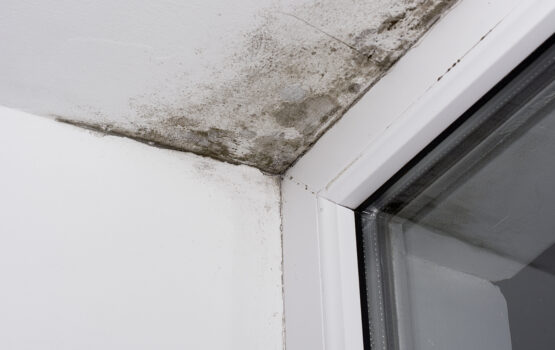
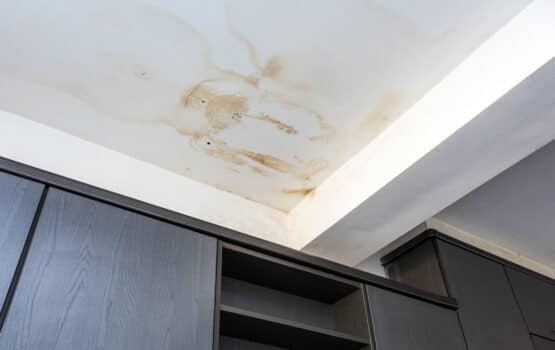
Water ingress in apartment buildings is rarely a minor issue. What may begin as a small leak can quickly spread through finishes, slabs, façades, and internal linings, leading to more extensive damage and costly rectification works.
Across NSW strata research, waterproofing defects in apartment buildings continue to be the most prevalent serious defect category. This is not simply a matter of isolated failures. In most cases, the issue sits within a chain of design decisions, construction practices, and delayed intervention.
Understanding why these defects persist is key to resolving them properly and avoiding repeated repair cycles.
Why Waterproofing Defects Are So Common in Strata Buildings
A significant number of waterproofing defect claims arise because the most vulnerable points in a building are also the hardest to inspect. Waterproofing systems typically fail at junctions, terminations, and penetrations, where different materials and elements meet.
These locations are common across apartment buildings, including:
- Balconies and podium slabs
- Rooftops and plant areas
- Wet areas such as bathrooms and laundries
- Planter boxes and landscaped zones
- Window and façade interfaces
In many cases, apartment waterproofing defects are concealed beneath finishes or behind wall systems. By the time water ingress defects become visible, the failure has often been present for some time.
This makes early detection difficult and contributes to the ongoing volume of claims.
Common Waterproofing Defects in Balconies, Façades and Rooftops
While each building presents its own challenges, most strata building defects related to waterproofing can be traced back to a set of recurring failure mechanisms.
These include inadequate falls that prevent proper drainage, blocked or poorly designed drainage paths, and membrane systems that are not correctly terminated or protected. In other cases, the issue may relate to insufficient upturn heights, missing flashings, or seals that have deteriorated prematurely.
Movement also plays a role. Buildings expand and contract over time, and if this movement is not properly accommodated, cracking can occur at critical junctions. Once the membrane is compromised, water can enter and travel through the structure.
Workmanship is another key factor. Even where a system has been designed appropriately, poor substrate preparation, incorrect installation, or deviations from the specification can lead to early failure.
A balcony waterproofing failure is a common example. Water may penetrate through a tiled surface, move through the screed layer, and reach the slab below. From there, it can track into adjacent lots or appear as staining in the unit below.
In many cases, it is not one issue but a combination of design detail, product selection, and installation quality that leads to failure.
Why Water Ingress Defects Get Worse Over Time
One of the reasons leaking balconies and other waterproofing-related issues become serious is the delay between the initial failure and meaningful intervention.
In occupied buildings, access can be limited, and disruptive works are often deferred. Early signs such as minor staining or localised dampness may be dismissed or treated with patch repairs rather than investigated properly.
There is also often confusion around responsibility, particularly in strata settings. This can slow decision-making and lead to temporary fixes that do not address the underlying issue.
As a result, water ingress defects are allowed to persist. Over time, this can lead to damage to finishes, corrosion of reinforcement, deterioration of substrates, and impacts on tenancy and asset value.
How a Remedial Engineer Investigates Waterproofing Defects
Addressing waterproofing defects in apartment buildings requires a structured and methodical approach. The focus should be on identifying the root cause, not just treating the visible symptoms.
A typical process involves investigation, where the building is assessed to understand how and where water is entering. This is followed by defining the defect mechanism and mapping the extent of the issue across affected areas.
An important part of this process is separating waterproofing failure from other potential sources of water ingress. Not all leaks are caused by membranes. Some issues sit at façade interfaces, roof plumbing systems, structural movement joints, or window assemblies.
Once the cause is understood, a remedial waterproofing strategy can be developed. This includes preparing a buildable scope of works that addresses the defect at its source and considers access, sequencing, and long-term performance.
Construction oversight is also critical. Quality assurance measures, including inspection hold points, help ensure that the works are carried out in accordance with the specification.
Without this level of detail and control, there is a risk that defects will reappear even after significant expenditure.
When Waterproofing Defects Become NCAT, Expert Witness or Litigation Matters
As defects progress, questions of responsibility, causation, and rectification costs often arise. At this point, matters may move beyond routine maintenance and into formal waterproofing defect claims.
This can involve expert reporting, litigation support, or proceedings in a tribunal or court setting. In these situations, clear documentation and a well-defined understanding of the defect mechanism are essential.
An engineering-based assessment provides the foundation for these discussions, helping to separate opinion from evidence.
Final Words
Waterproofing defects in apartment buildings continue to dominate claims because they are complex, concealed, and often misunderstood.
They rarely stem from a single failure. More often, they are the result of interconnected issues that develop over time and are made worse by delayed or incomplete repairs.
Taking a piecemeal approach may provide temporary relief, but it does not resolve the underlying problem. A properly investigated and scoped response is essential to achieving a durable outcome.
If your building is dealing with recurring leaks, failed balcony membranes, façade-related water ingress, or disputed rectification scope, MJ Engineering Projects can assist with independent investigation, defect reporting, technical specifications, and remedial project delivery.