Building Defects and How to Identify Them
Two buildings, two cracks. In the first, a hairline crack in the render above a window: cosmetic, cheap, annoying. In the second, a stepped crack running through brickwork near a slab edge: possible structural movement, and the start of a six-figure conversation. Both are building defects. Only one is major, and under NSW law, the difference decides how long you have to claim, who pays, and how urgent the repair is.
This guide explains how minor and major building defects are classified, the warning signs we look for on Sydney buildings, and what to do when you find one.
What Counts as a Building Defect?
A building defect is a fault in design, workmanship or materials that leaves part of a building damaged, non-compliant or unable to do its job. It ranges from peeling paint to a balcony that is no longer safe to stand on. The legal weight comes from the statutory warranties in the Home Building Act 1989 (NSW), which require residential work to be done with due care and skill, with suitable materials, in compliance with the law and fit to live in.
A defect is not the same as wear and tear. A membrane that fails after 25 years of sun has aged; a membrane that fails after three years was almost certainly installed or detailed badly. Part of an engineer’s job is separating the two, because only the defect carries a warranty claim.
Minor vs Major: How NSW Law Draws the Line
Under section 18E of the Home Building Act, a major defect affects a major element of the building, such as the load-bearing structure, fire safety systems or waterproofing, and is severe enough to make the building (or part of it) unusable, uninhabitable, or threaten collapse or destruction. A minor defect is simply anything that does not meet that test.
The classification is not academic. It sets the warranty clock: you have six years from completion of the work to claim for a major defect, and two years for everything else. A leaking shower that is arguably a waterproofing failure could be a major defect with a six-year window, or a minor sealant fault with a two-year one. Owners who assume the shorter deadline sometimes give up rights they still hold; owners who assume the longer one sometimes run out of time.
- Typically minor: hairline plaster or render cracks, sticking doors, paint blemishes, cracked tiles that do not affect waterproofing, uneven finishes
- Typically major: waterproofing failures, letting water into the building, cracking in load-bearing walls or slabs, defective fire safety systems, non-compliant external cladding, movement in foundations
The word to notice is typically. A crack is classified by what it means for the structure, not by how wide it is, and tribunals decide borderline cases on engineering evidence. That is what defect reports and expert witness reports exist to provide.
The Warning Signs We Look For
Most major defects announce themselves quietly first. On Sydney buildings, these are the signs worth acting on:
Water where it shouldn’t be
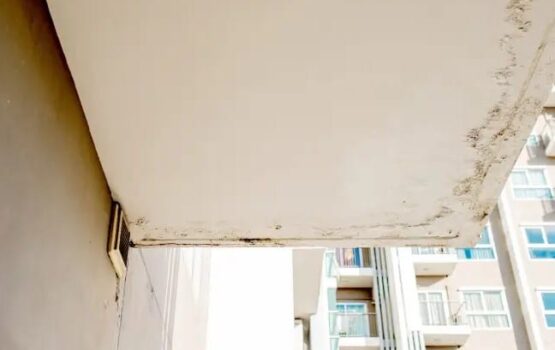
Ceiling stains, damp carpet near balcony doors, efflorescence (white salt deposits) on masonry, and musty smells in cupboards. Water ingress is behind a large share of strata defect claims, and waterproofing is expressly a major element under the Act. A stain the size of a coffee cup can sit below a saturated slab.
Cracks with a pattern
Fine, random surface cracking is usually shrinkage. Cracks that step through brickwork, radiate from window corners, follow a straight line along reinforcement, or reopen after patching suggest movement or corrosion underneath. Note whether a crack grows: a pencil mark and a date on the wall beside it is a perfectly good monitoring tool.
Drummy, flaking or rust-stained concrete
Concrete that sounds hollow when tapped, flakes at balcony edges or shows rust staining is the early stage of concrete spalling, where corroding reinforcement forces the concrete off.
Doors, windows and floors that have moved
Doors that suddenly jam, gaps opening at skirtings and cornices, or a floor with a new slope can indicate settlement or slab deflection. One sticky door is humidity. A pattern of them along one side of a building is worth an inspection.
Found a Defect? Do These Four Things
- Document it. Photograph the defect with something for scale, note the date and location, and repeat monthly if it is changing. Classification disputes are won on records.
- Report it in writing. Homeowners notify the builder; apartment owners notify the strata manager or owners corporation, since defects in common property are the corporation’s to pursue.
- Check your dates. Find the completion date of the work and count forward: two years for minor defects, six for major ones. If a window is closing, tell your lawyer now.
- Get the defect classified. An engineer’s inspection report identifies the cause and severity, which determines the warranty period, the urgency and the right repair. If the matter is already contested, that assessment becomes the foundation of an expert witness engagement.
Why Early Identification Is Cheaper
Defects compound. Water that enters through a failed balcony detail corrodes reinforcement, which spalls concrete, which opens more paths for water. A defect caught at the staining stage might need a membrane detail repaired. The same defect five years on can mean structural repair, access scaffolding and relocated residents. The inspection that felt like an optional expense is consistently the cheapest line item in the whole story.
For strata buildings, a scheduled building condition assessment catches defects while they are still minor, and gives the owners corporation a costed maintenance plan instead of surprise levies.
Frequently Asked Questions
Is a leaking balcony a major defect in NSW?
Often, yes. Waterproofing is a major element under the Home Building Act 1989 (NSW), so a waterproofing failure that lets water into the building and affects its use will usually be argued as major, with a six-year warranty period. The classification still turns on severity, which is why an engineering assessment matters.
Who pays to fix defects in an apartment building?
For defects in common property (the structure, facade, roof and shared services), the owners corporation pursues the builder or developer within the statutory warranty periods. Inside a lot, the owner generally does. The first step is establishing where the defect actually originates, which is not always where the damage appears.
Can a minor defect become a major one?
The damage can certainly grow. A small waterproofing fault can progress into structural deterioration. Legally, what matters is the defect’s nature and severity when assessed, and the warranty clock runs from completion of the work regardless. Practically, the lesson is the same either way: assess early, while the repair is small and the claim window is open.
Do I need an engineer, or is a building inspector enough?
For a pre-purchase overview, a building inspector is fine. For classifying a defect, establishing its cause, or supporting a claim, you want an engineer, because cause and structural significance are engineering questions and tribunals treat them that way. Our reports are written to be read by owners and committees, not just other engineers.
If something in your building doesn’t look right, get it identified before the warranty clock decides for you. Get in touch with MJ Engineering Projects on 1800 953 935 or info@mjengineeringprojects.com.au.
About the Author
MJ Engineering Projects, Remedial Engineers, Sydney
MJ Engineering Projects is a Sydney remedial engineering firm working on building defects across residential, commercial and strata buildings. This article is general information about building defects, not engineering or legal advice for a specific building. For your situation, get a site-specific assessment.