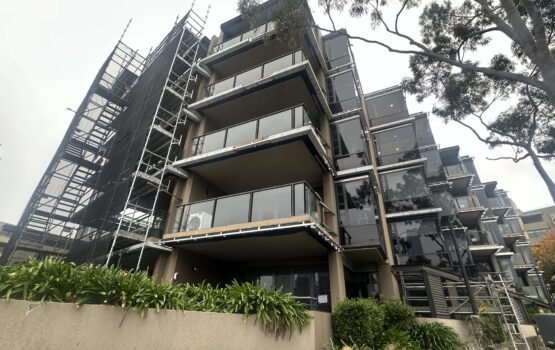
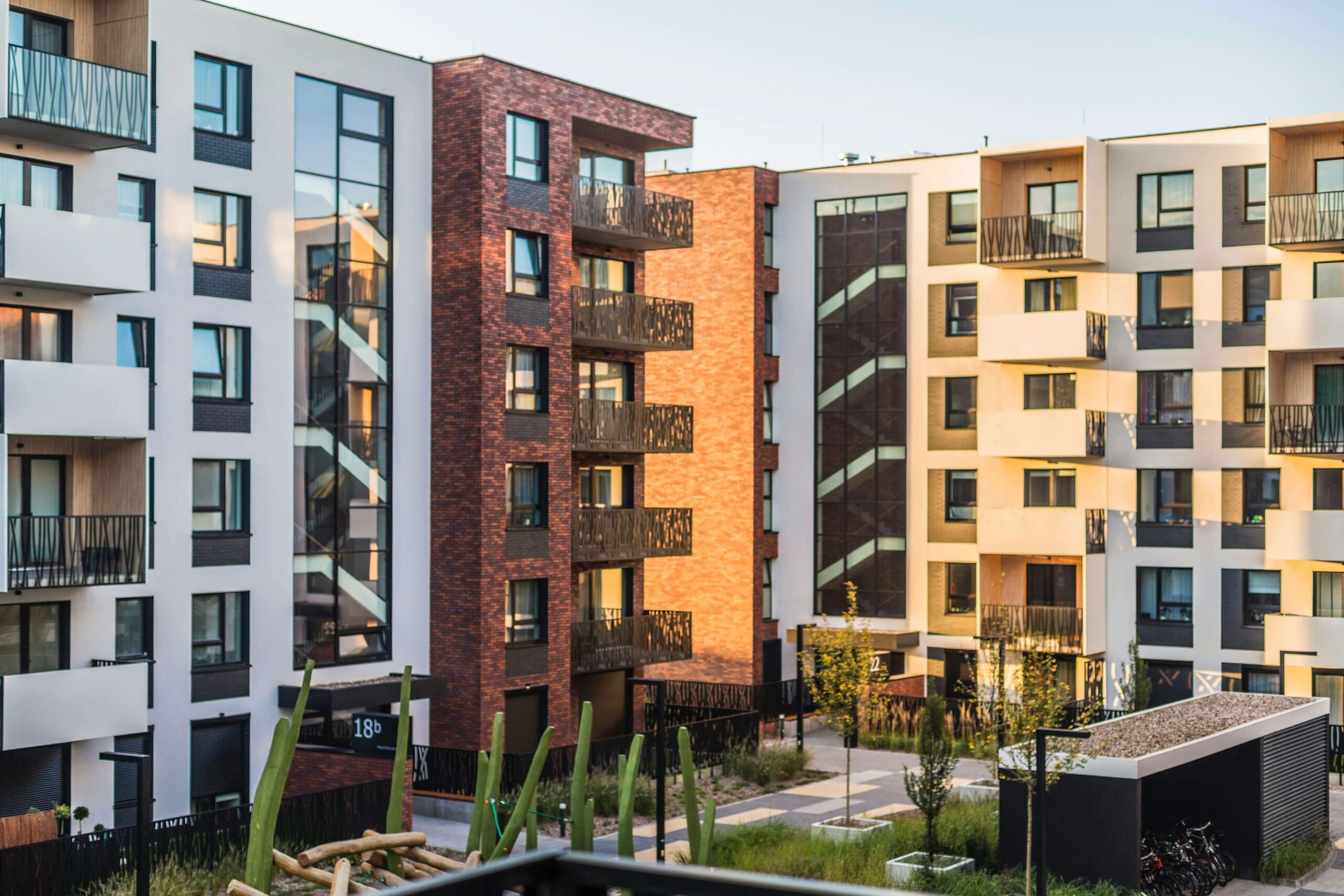
- Structural reports differ by the decision they support: buying, budgeting, finding a cause, fixing, protecting against nearby works or going to a tribunal.
- A visual inspection records symptoms. Establishing the cause of a defect usually needs targeted testing.
- For strata buildings, a building condition assessment gives the 10-year capital works fund plan something real to work from.
- A report written to plan repairs is rarely fit to use as expert evidence without rework.
- Order the report that matches the question, and the inspection scope follows from it.
“Structural report” covers several quite different documents. A buyer’s pre-purchase inspection, an engineer’s report on a cracked transfer slab, a condition assessment for a strata committee’s budget and an expert report for the NSW Civil and Administrative Tribunal (NCAT) all look at the same building elements. They answer different questions, go to different depths and carry different weight once they leave the engineer’s desk.
Below are the main types of structural reports commissioned in NSW, what each inspection covers, who usually orders it, and how to match the report to the decision you need to make.
What is a structural report?
A structural report is a written record of an inspection of a building’s load-bearing and supporting elements, such as footings, slabs, beams, columns, walls, balconies and the elements that protect them from water and corrosion. A structural engineer report goes further than describing what is visible. It sets out the likely cause, the significance of each issue and what should happen next, from monitoring through to immediate make-safe works.
Every good report starts with a stated scope and its limitations. That section tells you what the engineer looked at, what they could not access and what the conclusions rely on. It is the first page to read, because it decides how far the rest of the report can be trusted for your purpose.
The main types of structural reports
Pre-purchase building inspection
A pre-purchase inspection helps a buyer decide whether to proceed with a residential property. In Australia, these inspections are guided by AS 4349.1, Inspection of buildings, Part 1: Pre-purchase inspections – Residential buildings, which sets minimum requirements for the inspection and report under a written agreement between the client and the inspector. That agreement sets the scope and limitations.
A pre-purchase report is a general condition report for a buyer. When it flags significant cracking, movement or a sagging floor, the usual next step is a structural engineer’s inspection of that specific issue before exchange.
Structural inspection report
A structural inspection report focuses on a specific concern: cracking, movement, slab deflection, a balcony that feels wrong, concrete deterioration or facade distress. The engineer inspects the element and its surrounds, measures and photographs the defects, reviews drawings where they exist and forms an opinion on cause, severity and implications.
The report sets out scope and limitations, observations with photographs, the engineering assessment and recommendations in priority order. Where the cause is not clear from a visual inspection, it recommends targeted testing or monitoring before anyone commits to a repair.
Building condition assessment
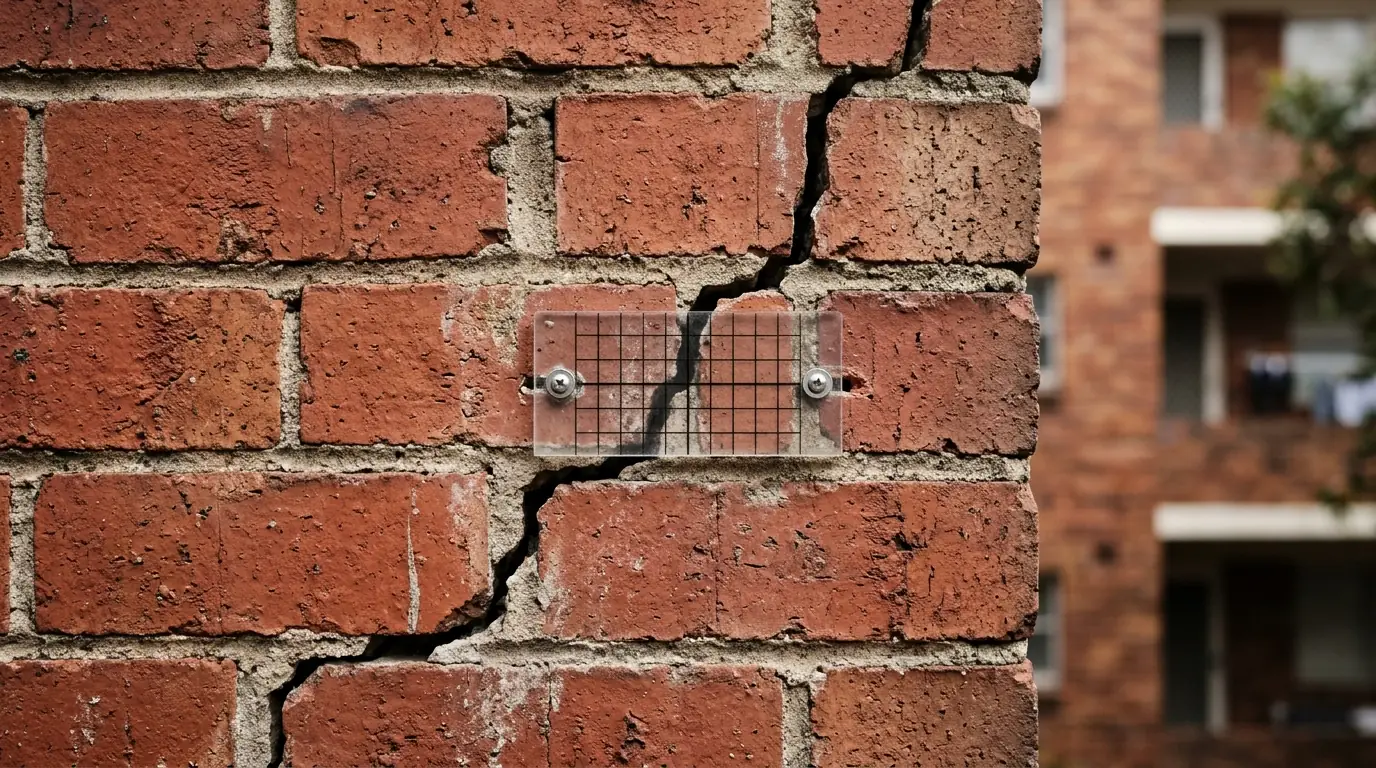
A building condition assessment is a structured, element-by-element review of a whole building: structure, facade, roofing, waterproofing, common areas and services. Each element is photographed and rated for severity and priority, and the recommended actions range from monitoring through to rectification, with indicative budget allowances where they are part of the brief.
For a strata scheme, this is the report that turns a 10-year capital works fund plan from a guess into a programme. Every NSW strata scheme must have a 10-year plan of expected major work paid from the capital works fund. The plan is reviewed at least every five years and new and revised plans must use the standard form. A condition assessment tells the committee which items belong in it and in what order.
Diagnostic investigation report
A visual inspection identifies symptoms. A diagnostic investigation establishes the cause, using methods chosen to answer a specific question:
- Moisture mapping and thermal imaging to trace water ingress.
- Controlled water testing to reproduce a leak.
- Cover meter and carbonation testing to assess concrete deterioration, with chloride sampling where there is marine exposure.
- Crack monitoring to show whether movement is ongoing.
- CCTV for concealed drainage.
- Targeted openings where non-destructive methods cannot resolve the cause.
The report records what was tested, what was found, the diagnosed cause with supporting evidence and the recommended rectification. It is the step to take when defects keep coming back, when the cause is disputed or when the repair is expensive enough that guessing wrong would be costly.
Building defect report
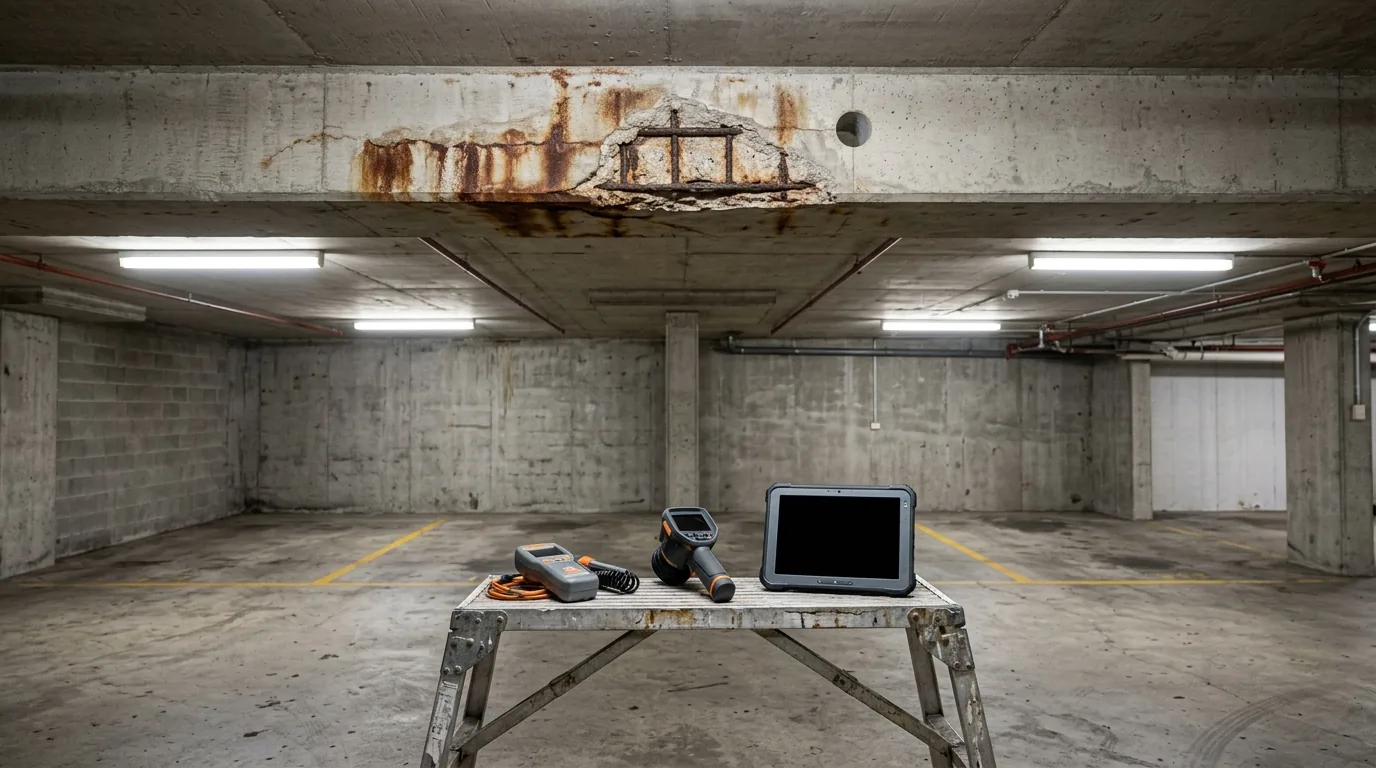
A building defect report documents the defects in a building, classifies them against the Building Code of Australia and Australian Standards, and sets out cause, remediation and cost estimates. Owners corporations commonly commission one when defects appear in common property, and owners often commission one before a statutory warranty period runs out. Under the Home Building Act 1989, the statutory warranty is six years for a major defect and two years for other defects, so timing matters.
Dilapidation report (construction condition survey)
A dilapidation report, also called a construction condition survey or pre-construction condition report, is a dated record of the existing condition of a building before nearby works start. It records existing cracks, damage and finishes without attributing cause, so that any change after excavation, demolition or piling can be compared against a baseline rather than memory. Developers and head contractors commission most of them, often because a development consent or contract requires it, and a matching post-construction survey repeats the same inspection points once the works finish.
Strata building bond inspection reports
New residential apartment buildings covered by the NSW Strata Building Bond and Inspections Scheme get two formal inspections by a building inspector appointed by the developer. The interim inspection and report happens between 15 and 18 months after the building work is finished, and the final inspection and report between 21 and 24 months. The bond lodged by the developer pays for rectifying defects identified in the final report that the builder has not fixed. These reports are a regulatory step, separate from any engineering report the owners corporation commissions for itself.
Expert witness report
An expert witness report is an independent technical opinion prepared for a court or tribunal. It is written under the Expert Witness Code of Conduct, which puts the engineer’s duty to the court above their duty to whoever engaged them. It covers cause, compliance with the National Construction Code and Australian Standards, the rectification scope and its cost, and the engineer may then take part in an experts’ conclave, prepare a joint report and give oral evidence.
What each inspection covers
| Report type | What the inspection covers | What you receive |
|---|---|---|
| Pre-purchase inspection (AS 4349.1) | General condition of a residential property, to the scope set in the inspection agreement | Condition report for a buying decision |
| Structural inspection report | A specific element or defect and its surrounds, with measurement, photographs and drawing review | Cause, severity and prioritised recommendations, from monitoring to make-safe |
| Building condition assessment | Every major element: structure, facade, roofing, waterproofing, common areas, services | Element schedule, severity and priority ratings, budget allowances if engaged |
| Diagnostic investigation | The defect and its likely sources, with targeted testing | Diagnosed cause with evidence and recommended rectification |
| Building defect report | Defects classified against the Building Code of Australia and Australian Standards | Defect list with cause, remediation and cost estimates |
| Dilapidation report | Existing condition of neighbouring buildings before works | Dated photographic baseline with no cause attributed |
| Expert witness report | The matters in dispute, with inspection and testing as needed | Independent opinion under the Expert Witness Code of Conduct |
Which structural report do you need?
Start from the decision the report has to support, then let that set the scope.
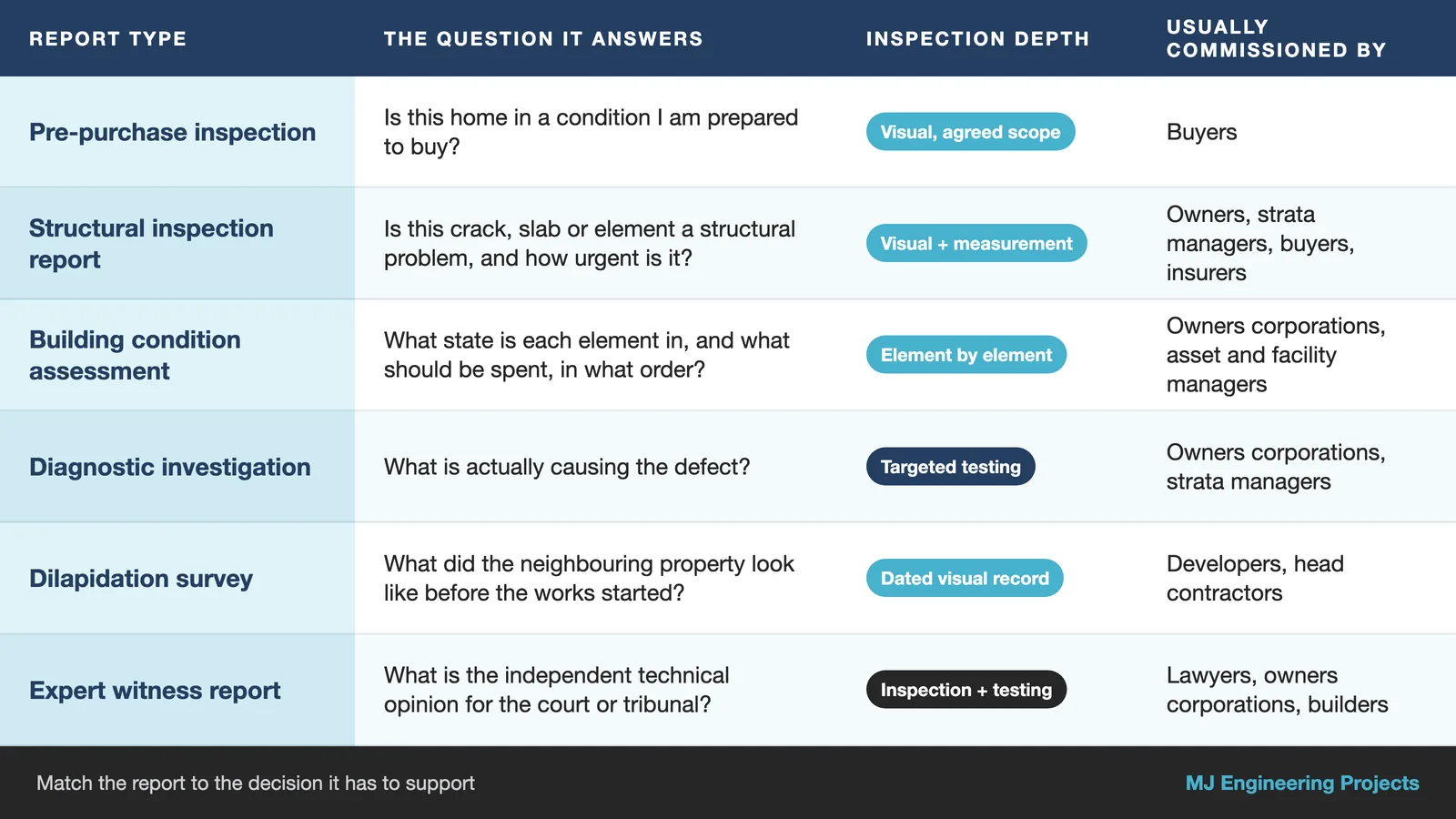
Buying a home. A pre-purchase inspection, followed by a structural engineer’s inspection of anything it flags.
Something has cracked, moved or started leaking. A structural inspection report first. If the cause is not clear from the inspection, a diagnostic investigation before a repair is specified.
Planning and budgeting for a whole building. A building condition assessment, refreshed as major works are completed, feeding the 10-year capital works fund plan.
Works are about to start next door. A dilapidation report before work begins and a matching survey when it ends.
A dispute is heading to NCAT or court. An expert witness report. A defect report prepared for a committee to plan repairs usually lacks the qualifications statement, assumptions, reasons and code of conduct acknowledgement a tribunal expects, so the earlier inspection often needs converting into a compliant expert report rather than being filed as it stands.
The report leads to repairs. On a regulated building, including apartment buildings, the Design and Building Practitioners Act 2020 requires regulated designs, with waterproofing and load-bearing structure among them, to be prepared and declared by a registered design practitioner. The low-value exemption stops at $5,000. A report that recommends repairs is the starting point for that design work, not a substitute for it.
How to get the most out of a structural inspection
The more the engineer knows before arriving, the more the inspection can achieve in one visit:
- Drawings and previous reports. Structural and architectural drawings, earlier inspection reports and any repair specifications.
- History. When the problem first appeared, whether it changes with the seasons or after rain, and what has already been tried.
- Access. Keys to plant rooms, roof access, the affected units and the units above and below a leak.
- Strata records. For owners corporations, the current 10-year capital works fund plan and any defect correspondence with the builder.
MJ Engineering Projects has inspected and rectified more than 1,000 residential, commercial and industrial buildings in Sydney since 2007. Routine inspections are booked within 10 business days and the report is delivered within 10 business days of the inspection. Urgent safety concerns, such as falling material or sudden movement, are prioritised for prompt attendance.
Frequently Asked Questions
What is the difference between a structural engineer report and a building inspection?
A general building inspection, such as a pre-purchase inspection, records the visible condition of a property against an agreed scope. A structural engineer report assesses the structural significance of specific defects, forms an opinion on cause and sets out what should be done, which can include testing, monitoring or repair design.
How long does a structural inspection report take?
At MJ Engineering Projects, routine inspections are booked within 10 business days and the report follows within 10 business days of the inspection. Urgent safety issues are prioritised. Larger diagnostic investigations are staged, with each stage agreed in a fee proposal before it starts.
Can a building condition assessment be used for our 10-year capital works fund plan?
Yes. That is one of its main uses. The assessment rates each element and recommends actions in priority order, with indicative budget allowances if engaged, which gives the committee a defensible basis for the plan at its five-yearly review or sooner.
Can our existing defect report be used at NCAT?
Sometimes, but usually not as it stands. A tribunal expects an expert report prepared under the Expert Witness Code of Conduct, with the expert’s qualifications, assumptions and reasons for each opinion. A well-documented earlier inspection can usually be converted into a compliant expert report rather than starting again.
Who pays for a dilapidation report?
Usually the party carrying out the works, because the development consent or construction contract often requires it. Adjoining owners and owners corporations can also commission their own.
If you need a structural report and want to be sure you are ordering the right one, contact MJ Engineering Projects on 1800 953 935 for a fee proposal.
About the Author
MJ Engineering Projects, Remedial Engineers, Sydney
MJ Engineering Projects is a Sydney remedial engineering firm working on building defects across residential, commercial and strata buildings. This article is general information about structural reports and building inspections, not engineering or legal advice for a specific building. For your situation, get a site-specific assessment.
Sources
References for standards and regulations cited in this article.
- Standards Australia, AS 4349.1-2007 Inspection of buildings, Part 1: Pre-purchase inspections – Residential buildings: store.standards.org.au
- NSW Government, Your strata levies, finances and insurance (10-year capital works fund plan, five-yearly review, standard form): nsw.gov.au
- NSW Government, Strata Building Bond and Inspections Scheme (inspector appointment, interim and final inspection timing): nsw.gov.au
- Building Commission NSW, How Building Commission NSW deals with building defect complaints (statutory warranty periods under the Home Building Act 1989): nsw.gov.au
- Uniform Civil Procedure Rules 2005 (NSW), Schedule 7, Expert witness code of conduct: legislation.nsw.gov.au