Building Defect Report Explained
A building defect report is a documented, independent assessment of the defects in a building: what is wrong, what caused it, how serious each defect is, and what it will take to fix. It is the difference between knowing your balcony leaks and having the evidence to prove who is responsible and what the repair involves. People usually need a building defect report at one of a few moments: nearing the end of a new build’s warranty period, when a strata scheme finds defects in common property, before buying an apartment, or when a defect dispute is heading to NCAT. In each case, the value is the same: an accurate, defensible record of the building’s defects, prepared by someone independent. This article explains what a building defect report is, what it includes, when you need one, and why an engineer-prepared report tends to carry more weight than a visual inspection alone.What a Building Defect Report Is
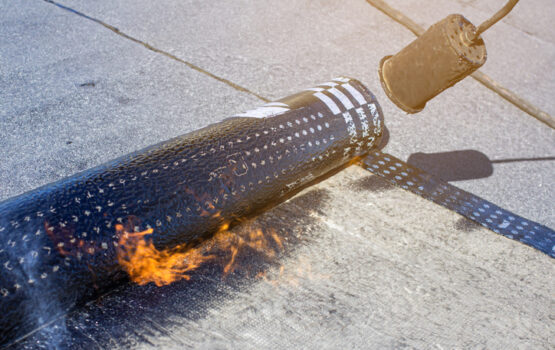
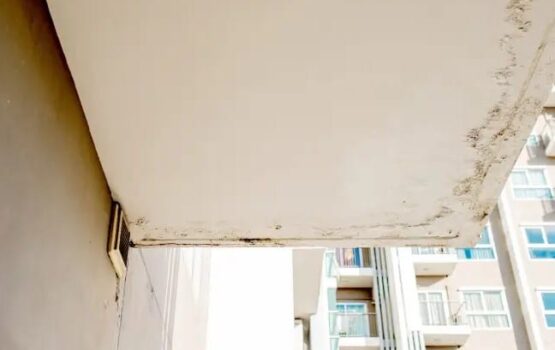
A building defect report records the defects in a building and assesses them. A general building inspection from a visual inspector tells you what can be seen. An engineer-prepared defect report goes further: it identifies the cause, classifies each defect against the Building Code of Australia and the relevant Australian Standards, and sets out the rectification, which matters when money or a dispute rides on the findings. Reports usually classify the defects in three ways:- Major defects: serious problems affecting the structure, safety or use of the building, such as structural cracking or a failed waterproofing membrane letting water into the structure.
- Minor defects: smaller issues that need attention but do not threaten the building’s structural integrity.
- Incomplete works: items the builder has not finished to the contract or the standard.
What a Building Defect Report Includes
A thorough building defect report covers more than a list of problems.- Site inspection with photographic evidence: an on-site inspection of the building, documented with photographic evidence, so each defect is recorded and located.
- Defect classification against standards: each defect is assessed against the Building Code of Australia and Australian Standards, and classified as major, minor or incomplete.
- Causes, remedial recommendations and cost estimates: the likely cause of each defect, the recommended remediation, and cost estimates so an owner or owners corporation can budget and act.
When You Need a Building Defect Report
There are a few common triggers.- End of warranty: before the statutory warranty periods run out on a new build. Under the NSW Home Building Act, these are generally six years for major defects and two years for other defects, so a defect report near those dates protects your right to claim. Confirm your exact dates with a lawyer.
- Strata common-property defects: when an owners corporation finds defects in common property, such as balconies, facades or waterproofing, and needs to document them to pursue the builder or developer.
- Pre-purchase due diligence: buyers of an apartment or home use a building defect report or strata inspection report to understand what they are taking on before they commit.
Building Defect Reports for NCAT and Disputes
When a defect dispute cannot be resolved with the builder, it often ends up at NCAT, the NSW Civil and Administrative Tribunal. A report used in that setting has to meet specific requirements.- NCAT-ready reports: prepared to the format NCAT expects, with the author acting as an independent expert under the Expert Witness Code of Conduct, not as an advocate for one side.
- The Scott schedule: a table that itemises each defect, the claimed cause, the rectification and the cost, so the tribunal, the parties and their experts can work through them line by line. It is the backbone of a defect claim.
- Expert witness and litigation support: an engineer can provide expert witness reports and attend as an expert if the matter proceeds. See our expert witness reports for the building defects page.
Why Choose MJ Engineering Projects
- Engineer-prepared, forensic-grade reports: our building defect reports are prepared by engineers, with forensic engineering where the cause is contested, which carries more weight than a visual-only building inspection.
- Registered practitioners with remedial design: the same team that documents the defect can design the rectification, so the report connects to a real fix.
- Support from inspection to rectification: we can take you from the first inspection and defect report through to overseeing the remediation, with one point of contact. A building condition assessment is often the starting point.