Cracked Walls Inspection And Wall Crack Repair Services
Cracked walls can be an early sign of movement, moisture-related deterioration, structural stress or localised building defects. MJ Engineering Projects provides cracked wall inspections, defect investigations, remedial design input and wall crack repair support across Sydney and NSW. Whether the issue involves a minor crack in the wall, recurring cracks in walls, or broader structural movement, we help identify the cause and determine an appropriate rectification pathway for strata, commercial and residential building projects.
What Do Cracked Walls Mean And Why Do They Need To Be Assessed?
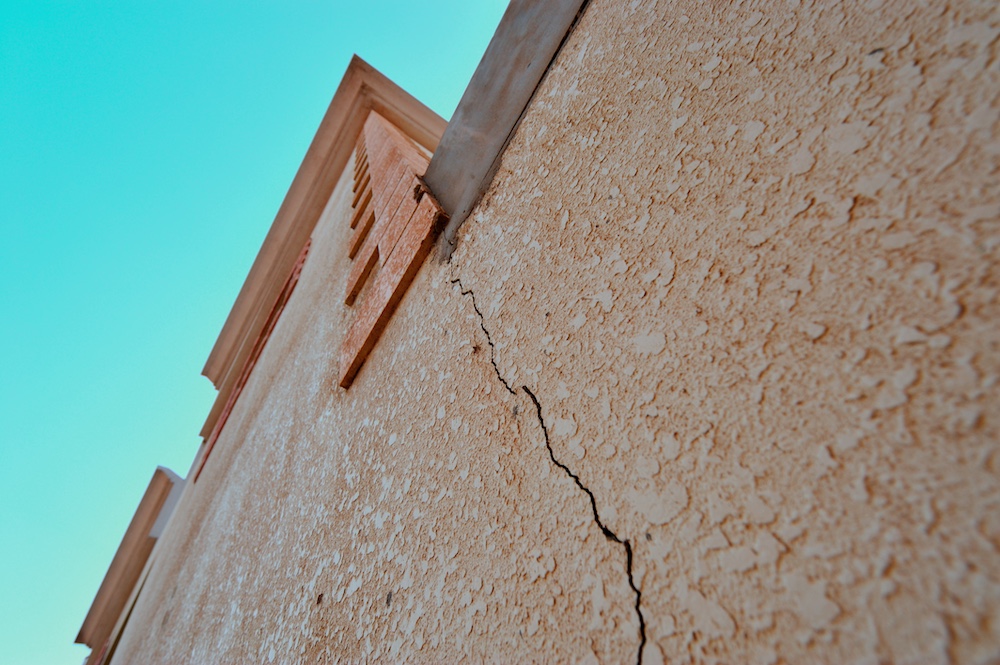
Cracked walls can result from a range of issues, including building movement, foundation settlement, shrinkage, thermal movement, material deterioration, structural loading changes or moisture ingress. Some cracks in walls are superficial and limited to finishes. Others may indicate movement within the wall, the supporting structure or the building more broadly.
This is why a cracked wall should be assessed before repair works are carried out. Patching a wall crack does not explain why it formed. Early assessment helps determine whether the issue is cosmetic, active, localised or part of a broader defect pattern.
How Cracked Wall Assessment And Wall Crack Repair Works
Cracked walls should be assessed before any wall crack repair works begin. In many cases, the crack itself is only the visible symptom of a broader issue affecting the wall, slab, footing, façade or surrounding building elements. The location, width, direction and recurrence of cracks in walls can provide important clues about the likely cause. Fine plaster cracking may indicate something very different from stepped cracking in masonry, separation at joints or widening cracks near windows and doors.
Our process generally starts with a site inspection and technical review of the affected wall area. This may include consideration of cracking patterns, wall type, adjoining movement, floor levels, moisture exposure, nearby openings and whether the damage appears localised or repeated elsewhere in the building. Depending on the circumstances, the assessment may overlap with broader diagnostic investigations to determine the underlying cause.
Depending on the engagement, our involvement may extend beyond diagnosis to include repair recommendations, technical scopes, remedial design input and implementation oversight. The objective is to establish a wall crack repair pathway that addresses the cause of the cracking rather than only the visible finish damage.
Diagnosis And Assessment
We assess crack patterns, wall condition, adjoining movement, moisture exposure and likely causes of the cracking.
Cracked Wall Inspection Services For Strata, Commercial And Residential Buildings
MJ Engineering Projects provides cracked wall inspection services for strata, commercial and residential buildings where wall cracking, separation or related damage may indicate an underlying defect. Our role can include site inspections, defect diagnosis, structural assessments, remedial design input, technical scopes and superintendent services during rectification works.
Our approach draws on our broader experience in inspection reports for defect identification and project-specific advice. Where the cracking suggests broader movement, loading or structural distress, this may also require input from our structural engineering team.
Benefits Of Professional Cracked Wall Inspection For Building Owners
A professional cracked wall inspection helps building owners understand whether a wall crack is superficial or part of a broader structural or moisture-related issue. It also provides a clearer basis for repair planning, monitoring and budgeting.
Identifies the likely cause of cracks in walls before repairs begin
Helps distinguish cosmetic wall cracking from broader movement issues
Supports earlier intervention before cracking becomes more extensive
Provides clearer wall crack repair scopes and budgeting direction
Reduces the risk of patch repairs that do not address the cause
Improves confidence in the proposed repair pathway and documentation
Professional Credentials, Certifications & Registrations
Our credentials reflect a strong commitment to professional standards, compliance, and continuous improvement. We maintain active involvement with leading industry bodies and hold recognized certifications and registrations, including ISO Certifications and NSW regulatory registrations.
If your property is showing signs of a cracked wall, recurring wall cracking or the need for wall crack repair, MJ Engineering Projects can assist with inspection, diagnosis and next steps. Where the matter forms part of a dispute or defect claim, we may also assist through our expert witness reports service. We work across Sydney and NSW on cracked wall issues affecting strata, commercial and residential buildings.
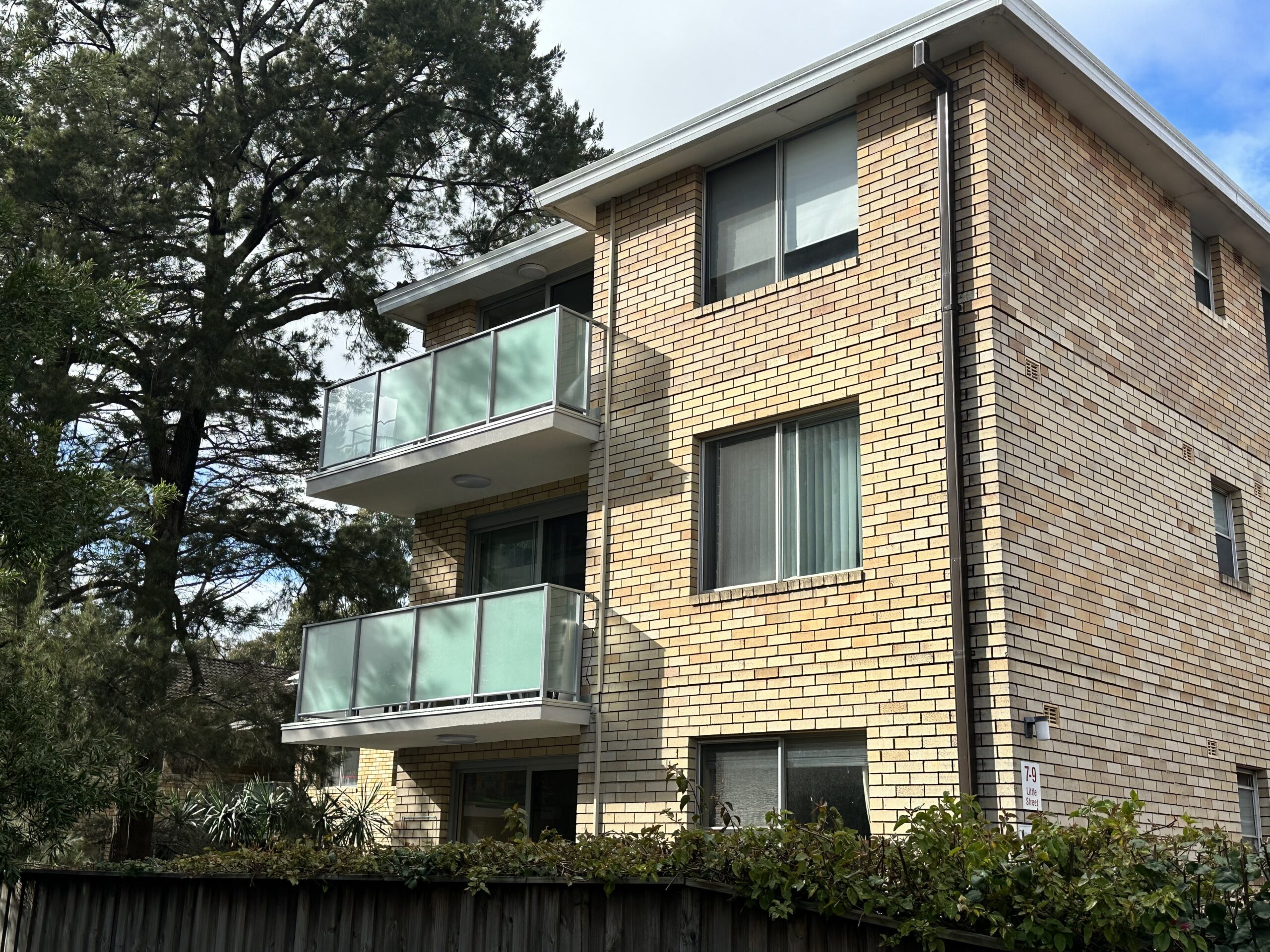
Remedial works at Little Street, a three-storey strata complex of eight apartments in Lane Cove, have repaired concrete spalling, renewed balcony finishes and introduced...
MJ Engineering Projects supervised remedial works on a concrete-frame, brick-infill building in Pymble. The structure, supported by four principal columns and standing three floors...
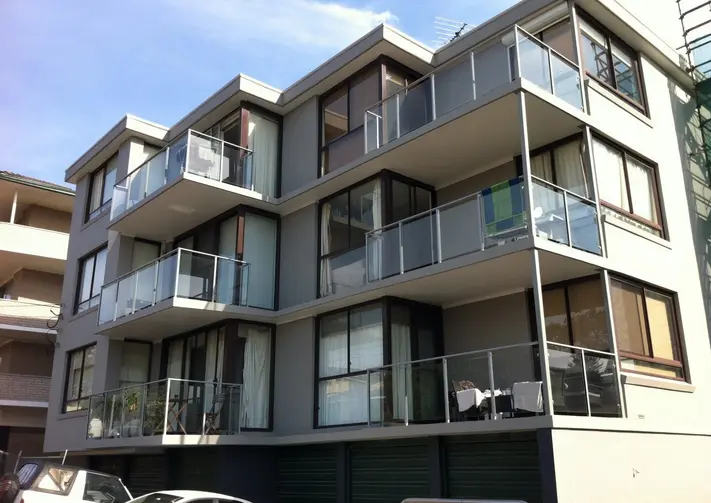
MJ Engineering Projects acted as superintendent and adviser on remedial works at a three-storey complex of thirty-two apartments in Vaucluse. The concrete-column and beam...
Shrinkage and thermal movement account for most fine cracking in finishes. The structurally significant causes are foundation movement in reactive soils, corrosion of embedded steel, overloading, vibration and alterations that changed load paths, and moisture ingress degrading the wall itself. Pattern, width and progression are what separate the trivial from the serious.
How do you fix cracks in walls?
By fixing the cause first. Movement cracks need the movement addressed, through drainage, footing or structural work, before the crack is repaired, or it simply reopens. Stable cracks are repaired to suit the substrate, from flexible sealants at movement joints to stitching and repointing in masonry, then finished. A crack repaired without diagnosis is a crack scheduled to return.
Is a crack in the wall always structural?
No. Most are cosmetic. Investigate cracks that are wider than hairline, stepped through brickwork, growing or recurring, or paired with other symptoms such as sticking doors and sloping floors. Alterations to walls also matter: removing or cutting into load-bearing walls creates exactly this kind of cracking.
When should I worry about a cracked wall?
When it changes. A crack that widens, lengthens, steps or multiplies is reporting movement, and monitoring it with dated measurements is far more informative than judging it once. New cracking after nearby excavation, heavy rain or drought also warrants inspection, because those are classic triggers for foundation movement in Sydney’s clay soils
Do you prepare scopes for wall crack repairs?
Yes. After diagnosis we document the repair scope, including any structural rectification that must precede it, in a specification a contractor can price and a superintendent can enforce. For recurring cracking we can also set up simple monitoring first, so the repair is designed on evidence of movement rather than assumption.
Request a Fee Proposal
We collect your information to assess your enquiry, prepare your proposal, and manage our client relationships in accordance with our Privacy Policy.