

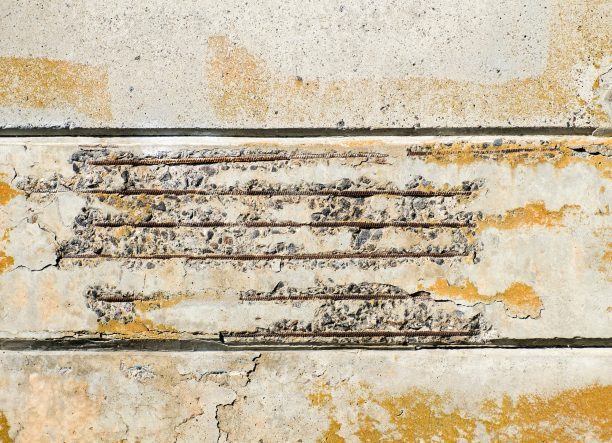









Concrete spalling, or concrete degradation also known as concrete cancer, is a common issue affecting many buildings, especially those standing for a long time. Concrete cancer occurs when the surface of the concrete begins to flake or peel away, exposing the underlying structure. This issue not only looks unsightly, but it can also lead to serious problems if left unaddressed. For example, if the degradation is severe enough, it can compromise the structural integrity of the building, which can be dangerous for occupants. It’s essential to address concrete spalling promptly to prevent further damage to the building and ensure its longevity.
Concrete spalling is a common issue that occurs when the outermost layer of concrete begins to flake, peel, or chip away, exposing the underlying layers. A combination of factors such as freeze-thaw cycles, exposure to chemicals and salts, and age typically causes concrete deterioration. When the concrete absorbs moisture, it expands and contracts as temperatures fluctuate, which can cause stress and cracking. This can lead to the development of spalls or cracks on the concrete surface. These cracks can be unsightly and may pose safety hazards to building occupants.
Building owners should be aware of several signs of concrete degradation. These signs may include a flaking or chipping of the concrete surface, cracks or holes in the concrete, and rust stains on the surface. Concrete deterioration can also result in reduced structural integrity, which may cause the building to become unstable or unsafe for occupancy. Therefore, it is essential to address concrete degradation promptly to prevent further damage and ensure the safety and longevity of the building.
With over 18 years of experience, MJ Engineering Projects has established a strong reputation for delivering safe, durable and compliant concrete spalling repair solutions. Our engineers specialise in identifying the causes of spalling, such as water ingress, corrosion of reinforcement and structural deterioration, and providing tailored strategies to restore both safety and longevity.
Our process follows a clear and proven pathway. We begin with a detailed site inspection to assess the extent of damage, then develop a comprehensive repair plan specifying methodologies, materials and compliance requirements. Once the scope is confirmed, we manage the tender process to engage qualified contractors and oversee the works from start to finish. With ongoing quality assurance and compliance checks, we ensure repairs are completed to the highest standard and protect long-term building performance.
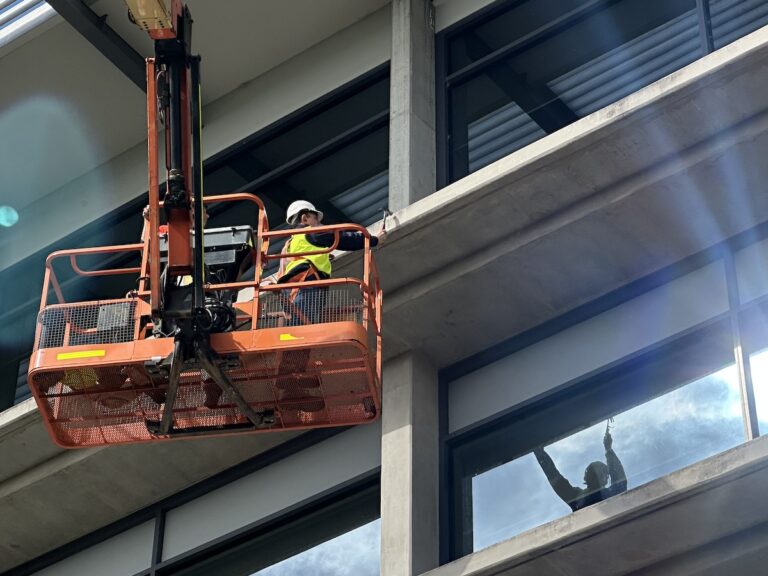
A professional engineer will typically conduct a visual inspection and use specialised tools to check non-conformances and diagnosis the issue.
When it comes to waterproofing repairs, there are several options available. If the damage to the waterproofing system is not too severe, it may be possible to repair the existing system. This is often the most cost-effective approach, as it involves our waterproofing consultants fixing the current system rather than replacing it entirely. Repairs include patching cracks or holes, sealing gaps, and re-applying waterproofing products.
A full system replacement may be necessary if the existing waterproofing system is beyond repair or if a partial replacement would not be effective. While this can be costly, ensuring the building is adequately protected from water intrusion is often necessary.
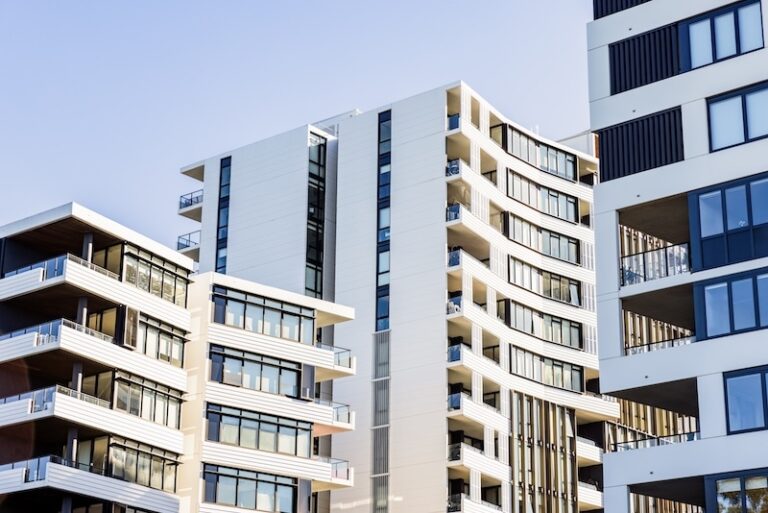
Concrete spalling in commercial buildings can quickly impact safety, appearance and asset value if left untreated. At MJ Engineering Projects, we undertake detailed inspections to determine the causes, such as reinforcement corrosion or water ingress. From these findings, we prepare tailored repair specifications designed to meet NCC requirements and relevant Australian Standards, ensuring durability and compliance.
Our team manages every stage of the process, including documentation, tendering, contractor supervision and quality assurance checks. By coordinating with owners, consultants and contractors, we ensure works are delivered efficiently, safely and in line with industry best practice. This structured approach restores structural integrity, safeguards occupants and extends the lifespan of commercial assets.
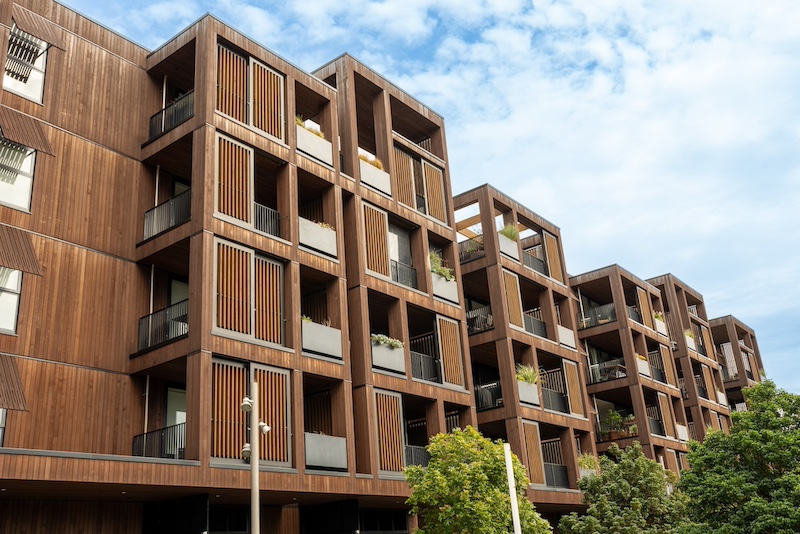
In residential buildings, spalling often shows as cracks, surface delamination or rust staining, which can signal deeper structural issues. Our engineers assess the affected areas to identify root causes and develop repair plans that comply with both NCC requirements and Australian Standards. These plans are tailored to suit the needs of strata managers and owners’ corporations.
We oversee the full repair process, from specifications and tendering through to site supervision and quality control. By maintaining transparent communication with residents, strata committees and contractors, we deliver a smooth, efficient program. This ensures residential properties remain safe, compliant and durable, while protecting long-term building performance and value.
Here are some key results we’ve delivered for Concrete Spalling Repairs.
With more than eighteen years of proven experience in remedial engineering, our firm has built a strong reputation for delivering reliable and long-lasting results. As registered design practitioners, we specialise in repairing building defects across a wide range of projects, from heritage façades that require delicate restoration to modern high-rise towers that demand technical precision.
Our structured project management approach, combined with thorough quality control processes, ensures every repair is handled with efficiency and care. We focus on minimising disruption, controlling costs and tailoring repair strategies to meet the unique requirements of each client.
This commitment to detail and excellence enables us to consistently provide durable, value-driven solutions that stand the test of time.
Our engineers bring extensive expertise in remedial engineering, supported by years of specialised experience and a detailed understanding of industry standards. We take pride in delivering tailored remediation strategies that address both visible and hidden defects across a wide range of building types.
By staying informed of changing regulations and compliance requirements, our team ensures every project achieves technical excellence and long-term durability. We also place a strong emphasis on sustainability, applying environmentally responsible practices and innovative methods wherever possible.
From diagnosing complex issues to implementing cost-effective repair programs, we are committed to providing clients with outcomes that are reliable, compliant and built for the future.
We have successfully completed inspections and remedial work on more than one thousand residential, commercial and industrial buildings across Sydney. This extensive experience allows us to identify and resolve issues with accuracy, from water ingress and façade deterioration to concrete spalling and structural concerns.
Each project benefits from a customised repair strategy designed to achieve durability, compliance and lasting performance. Our large and diverse portfolio equips us to anticipate challenges, optimise resources and streamline delivery to minimise site disruption.
With this proven track record, we are confident in managing projects of any scale or complexity, delivering solutions that are efficient, cost-effective and built to endure.
Our credentials reflect a strong commitment to professional standards, compliance, and continuous improvement. We maintain active involvement with leading industry bodies and hold recognized certifications and registrations, including ISO Certifications and NSW regulatory registrations.
View our capability statement for a full overview of our services, credentials and project experience.
Is your building showing signs of concrete spalling? Don’t wait until those minor cracks become a major threat. MJ Engineering Projects is your go-to expert for diagnosing the root causes of concrete spalling and developing a robust remedial plan to restore your building’s safety and integrity.
With over 18 years of experience, we understand better than anyone what the complexities of concrete spalling mean for you. We tailor our inspections and recommendations to your building’s specific needs and prioritise speedy assessments. Our exceptional project management will ensure fast, effective results. Partner with MJ Engineering Projects for peace of mind and lasting solutions. Fill out the contact form below for a consultation today.
Client: Owners Corporation
Remedial works at Milsons Point have stopped persistent water ingress, repaired concrete damage and delivered a modern balcony enclosure that satisfies the Design and...
Client: Owners Corporation
MJ Engineering Projects served as superintendent and adviser on extensive remedial works at a three-storey, eight-block complex containing 52 units in Lane Cove. Constructed...
Client: Owners Corporation
MJ Engineering Projects served as superintendent and adviser on remedial works for an eight-storey, fifty-unit apartment building in Wollstonecraft. The concrete-frame, brick-infill structure suffered...
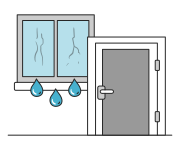
MJ Engineering Projects conducts window and door rectification to ensure functionality, water tightness and compliance with BCA.
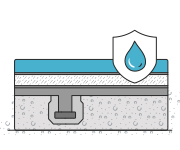
MJ Engineering Projects conducts waterproofing repairs to find and rectify the sources of water penetration into the building.

MJ Engineering Projects conducts a tender process with several specialised remedial contractors to ensure the best fit for the job.
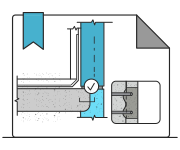
MJ Engineering Projects provides an in-depth specification to ensure remedial rectification works are completed in a methodical manner.

MJ Engineering Projects acts on behalf of the client for all Remedial Building Services to ensure the contractor completes a smooth rectification process.
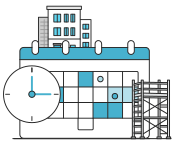
MJ Engineering Projects conducts an inspection of your assets and provides a maintenance regime plan to optimise cost savings.
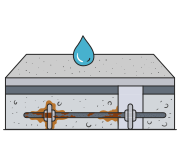
MJ Engineering Projects conducts floor topping investigations and repairs to prevent and rectify corrosion to the internal concrete slab.

MJ Engineering Projects conduct inspection reports that highlight building defects and recommend rectification methods.
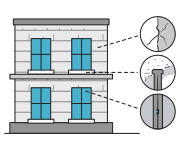
MJ Engineering Projects conducts facade rejuvenation to ensure optimal performance and appearance of the building.

MJ Engineering Projects specialises in delivering thorough and litigation-compliant expert witness reports for construction claims, tailored for building dispute resolution cases.
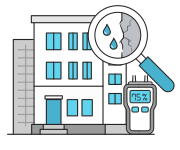
MJ Engineering Projects conducts diagnostic investigations prior to remedial works to search for any potential building deficiencies.
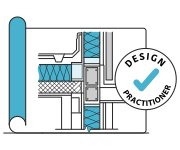
MJ Engineering Projects provides expert design practitioner services, specialising in regulated designs and technical specifications for Class 2, 3, and 9c buildings.
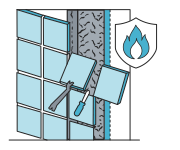
MJ Engineering Projects conducts rectification of existing cladding that is both unsafe and non-compliant with the BCA.
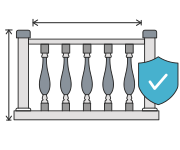
MJ Engineering Projects conducts ballustrade rectification to ensure compliance to the BCA and safety to the public and building occupants.
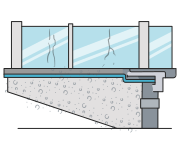
MJ Engineering Projects specialises in expert balcony repairs, ensuring safety, compliance, and long-lasting solutions tailored to your property needs.
Key Concerns and Frequently Asked Questions About Concrete Spalling Repairs in Australia
Everything you need to know about MJ Engineering Projects. Can’t find the answer you’re looking for?
Chat With Our Team Now.
Concrete spalling, often called concrete cancer, is the cracking and breaking away of concrete as the steel reinforcement inside it corrodes. Rust occupies several times the volume of the original steel, so the expanding bar forces the surrounding concrete off. Typical signs are drummy or hollow-sounding concrete, rust staining, cracking that follows the line of the bars, and fragments falling from soffits and balcony edges.
The two main drivers are carbonation, where carbon dioxide gradually lowers the alkalinity that protects the steel, and chloride attack from airborne salt in coastal suburbs. Shallow concrete cover, cracking and persistent moisture accelerate both. Freeze-thaw damage, often cited online, is not a significant factor in Sydney’s climate; corrosion of the reinforcement is almost always the underlying cause.
We start with a close visual inspection and a hammer survey to map drummy areas, then use targeted testing where the cause or extent is unclear: cover meter surveys to measure the depth of concrete over the steel, carbonation testing on drilled samples, and chloride sampling in marine environments. The results tell us whether the deterioration is isolated or systemic, which drives the repair strategy and budget.
Because the corrosion continues underneath and around the patch. A durable repair breaks out concrete to sound material past the corroded steel, cleans and treats the reinforcement, reinstates with proprietary repair mortars and, where needed, applies protective or anti-carbonation coatings. In severely chloride-affected structures, cathodic protection may be the only way to stop ongoing corrosion.
It can be. Falling concrete from soffits, awnings and balcony edges is a genuine safety risk, and advanced corrosion reduces the capacity of structural members. Spalling is also progressive, so the repair bill grows the longer it is left. Where we find loose material during an inspection we recommend immediate make-safe works ahead of the permanent repair.
We investigate the cause and extent, prepare a technical specification for the repair, and where the building is a regulated class the structural repair design may need to be declared under the Design and Building Practitioners Act 2020, which we can do as a registered Design Practitioner. Licensed remedial contractors then carry out the works under our superintendence, with hold points to verify breakout, steel treatment and reinstatement.
Rather than a fixed interval, tie inspections to exposure and evidence. Coastal and older buildings warrant periodic condition assessments, and for strata schemes these feed directly into the 10-year capital works fund plan the owners corporation must maintain. Any new rust staining, cracking or drummy concrete should be inspected promptly rather than waiting for a scheduled review.
We collect your information to assess your enquiry, prepare your proposal, and manage our client relationships in accordance with our Privacy Policy.